
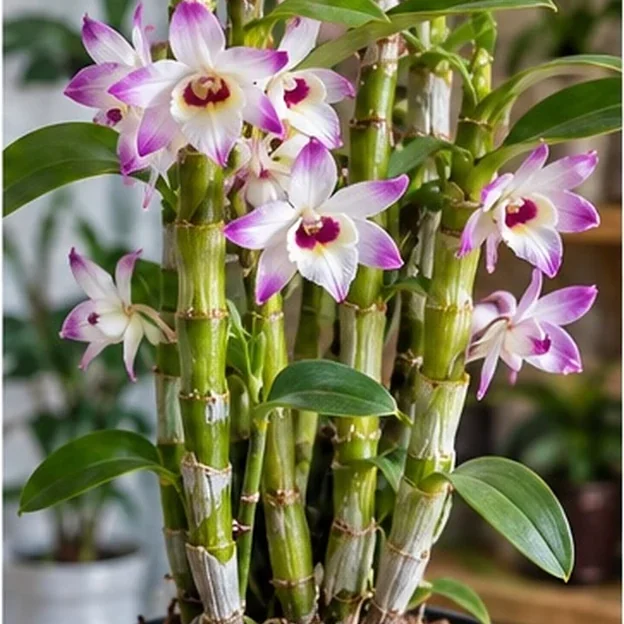
Two common indoor types
These two groups cover many indoor hybrids, but not every Dendrobium. Keep the full plant label: some species need a different seasonal routine.
“Phalaenopsis-type Dendrobium” describes a Dendrobium group or appearance; it does not mean the plant is a moth orchid.
| Feature | Warm-growing phalaenopsis-type hybrids | Nobile-type orchids |
|---|---|---|
|
Typical display
|
Sprays of flowers on spikes arising toward the upper cane
|
Flowers often appear at nodes along mature canes
|
|
Seasonal approach
|
Usually kept warmer; do not impose a harsh cold, dry rest
|
Many need a distinct seasonal reduction in water and cooler conditions after growth matures
|
|
Cane care
|
Preserve firm old canes
|
Preserve firm old canes, including leafless ones
|
|
What to verify
|
The named hybrid's actual temperature and growth needs
|
The named hybrid's rest requirements and timing
|
Keep firm older canes
A cane is a storage growth, not a spent disposable flower stem. A firm cane may still support the plant after it loses leaves or finishes flowering. Cutting all old canes to the base can remove stored reserves the plant still uses.
Check whether tissue is firm or clearly dead and deteriorated. A leafless cane in a seasonally deciduous type is different from a soft, collapsing cane with spreading damage.
Do not peel healthy sheaths aggressively or cut nodes just to investigate whether they might flower. Keep the plant intact while you identify its cycle.
Water during active growth
New canes and roots require a reliable water supply in a draining medium. Water thoroughly when appropriate to the pot, then let excess leave. Do not keep a growing plant in a closed cover full of runoff.
Root size, medium and ventilation affect the interval. A small pot of open bark can dry quickly; a dense central plug may remain wet while the outer material looks dry. Check the actual pot; a moth-orchid watering calendar may not fit a Dendrobium.
As growth matures, the appropriate change in watering depends on the type. Reduced winter demand does not mean every Dendrobium should stop receiving water.
Resting nobile-type hybrids
For a confirmed nobile-type orchid, use guidance for the named hybrid and watch the maturity of the current canes. Many receive a cooler, drier period after growth finishes to support the flowering cycle.
“Drier” does not mean ignore severe cane shriveling or expose the plant to freezing temperatures. Young, weak or poorly rooted plants need especially careful assessment. Avoid prescribing a hard rest before the year's growth has matured.
Fertilizer and watering changes should follow that group-specific cycle. Do not keep feeding heavily in an attempt to force buds while also trying to create a rest period.
Warm-growing hybrids
A common warm-growing phalaenopsis-type Dendrobium should not be placed outside in cold weather because a nobile guide recommends cooler conditions. Its label and known parentage matter more than a general internet instruction.
Maintain bright light and suitable temperatures, then adjust watering to growth and the actual medium. A slower winter drying rate is handled by checking moisture, not by assuming the plant must become completely dry for months.
When identification is uncertain, avoid extreme changes and seek confirmation of the type first.
Light without scorching
Many commonly grown Dendrobiums need bright conditions, but their tolerance is not identical. Increase exposure gradually and check leaves and canes for overheating at the window.
A sheer curtain can soften strong sunlight, and a grow light can help in a dim room. Check the needs of the species or hybrid on the label.
Potting and new roots
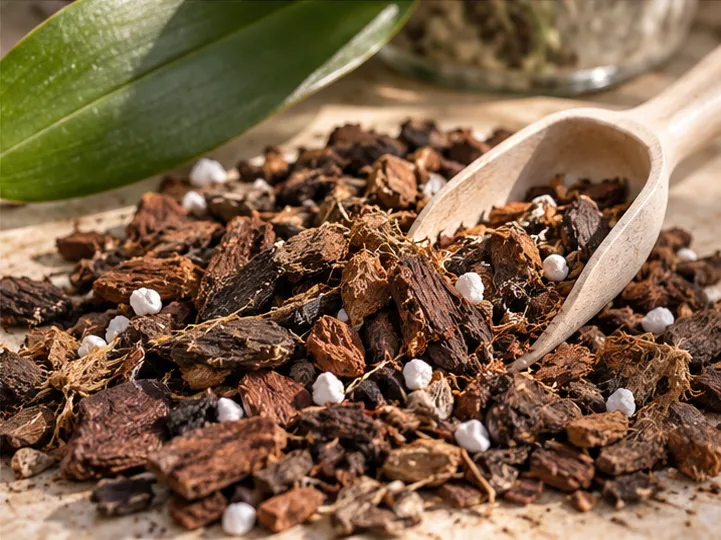
Use an appropriate free-draining orchid medium and a pot that fits the root system. Some Dendrobiums become top-heavy in a relatively small growing pot. Support the canes instead of surrounding a small root system with excess wet medium.
Whenever possible, repot as new roots begin. Preserve healthy roots and avoid unnecessary division; if the mix is already failing, act before a calendar date says it is convenient.
A new cane at the base needs room and should not be buried or damaged when stabilizing the plant.
After the flowers fade
Remove only the finished flower stalk where appropriate, not the whole cane by default. Keep recording the growth cycle: when a new cane started, when it matured and where flowers appeared.
That record helps you apply the right seasonal pattern the following year. If flowers do not return, first verify the type and maturity, then review light, roots and seasonal care. A generic “make orchids rebloom” recipe can miss the most important distinction in this group.
For side-by-side differences from other house orchids, return to orchid types.
Common questions
Do all Dendrobiums need a dry winter rest?
No. Many nobile-type plants have a distinct seasonal routine, while common warm-growing phalaenopsis-type hybrids need different care. Identify the plant before changing water or temperature sharply.
Should I cut old Dendrobium canes after flowering?
Keep canes that remain firm. They are storage growths, not merely spent flower stalks, and may still support the plant or flower depending on the type.
Is a phalaenopsis-type Dendrobium the same as a moth orchid?
No. It is a Dendrobium description, not the genus Phalaenopsis. The cane-based plant structure and care requirements differ.
More Orchid Care Guides
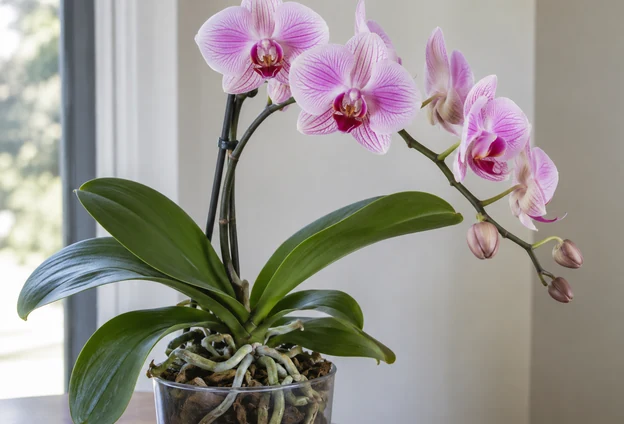
Phalaenopsis Orchid Care
Care for a common moth orchid through leaves, roots and flowering, with clear guidance on light, watering and repotting.
Read the guide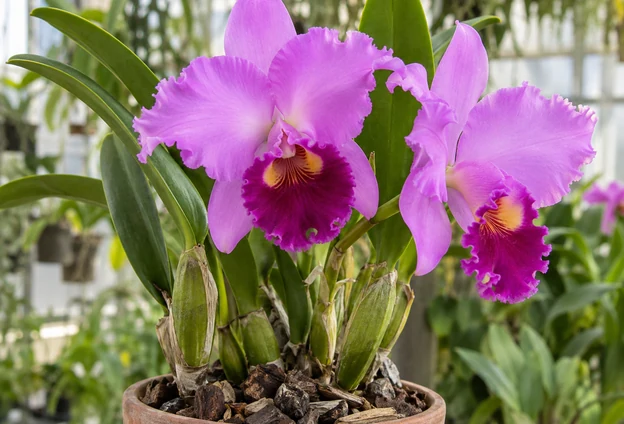
Cattleya Orchid Care
Give Cattleyas suitable light, understand their storage stems and choose the right moment to repot.
Read the guide